
Digital identity
Tag format templates, RFID chip encoding, printable labels, and reprint correction establish the item-level digital twin.
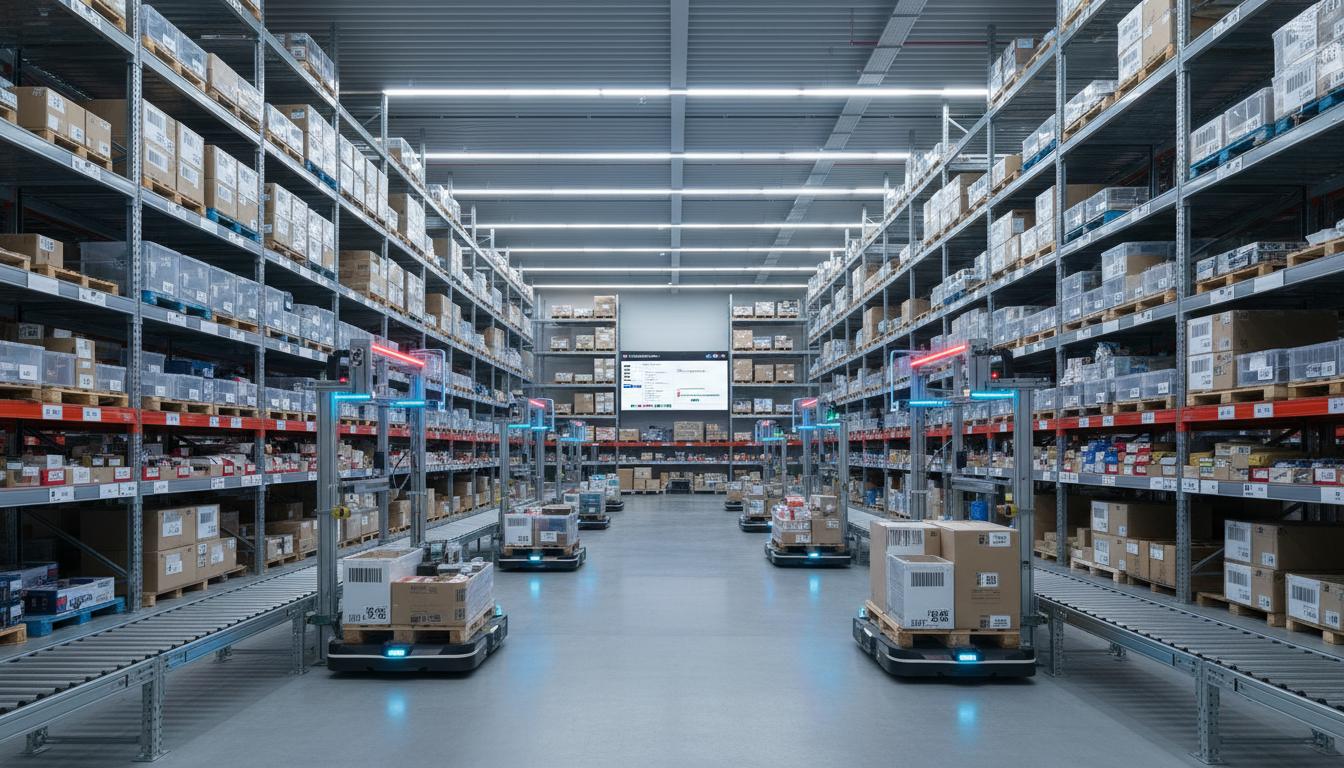
Application Software Systems
The application layer is where tags, readers, and middleware become business workflows: stocktake, transfer, traceability, chain-of-custody, inspection, exception handling, and management visibility.
Workflow Modules
Each application module should connect back to a real operating scene, a measurable business result, and the correct device and middleware stack.
Digital twin initialization, counter issuing, mobile stocktake, staff handover, transfer receiving, try-on visibility, inventory-box verification, sorting, and POS or ERP synchronization.
Related solutionFixed-asset registration, field inspection, tool or pipe lifecycle records, anti-metal tag workflows, and exception traceability for harsh environments.
Related solutionProduction-line identity, station events, process handoff, custom hardware protocols, and traceability records for manufacturing environments.
Related solutionInbound, outbound, cage-cart, tote, turnover-box, inventory, and movement events that can connect into WMS or ERP workflows.
Related solutionExperience-backed chain-of-custody workflows for controlled medical and laboratory environments, positioned for partner-led regional delivery.
Related solutionRole-based dashboards, exception queues, operational reports, and cross-site visibility built from verified RFID events rather than manual counts.
Related solutionSystem Logic
This page exists to keep the product story coherent. It is the third layer of the REAOX platform, not another hardware catalog.
Tags, readers, antennas, terminals, cabinets, gates, and workflow equipment capture the raw identity event.
Adapters, filtering, event normalization, and APIs make device data dependable enough for business systems.
Role-specific software workflows turn RFID events into actions, controls, and management visibility.
Jewelry Example
In jewelry retail, the application layer should not simply display reader data. It should help the store, warehouse, and headquarters decide what to initialize, count, move, protect, sell, explain, or investigate.
Tag format templates, RFID chip encoding, printable labels, and reprint correction establish the item-level digital twin.
Daily counter stocktake, safe checks, sealed-batch verification, discrepancy reports, and exception reconciliation.
Handover, transfer, receiving, returns, and cabinet interactions become searchable item-level records.
Try-on frequency, dwell time, comparison sequences, and tray events help explain demand beyond the sales receipt.
Clean RFID events can flow into ERP, POS, BI, AI models, or custom management dashboards.
Sorting cabinets and inventory boxes support task-based picking, compartment binding, and e-commerce order verification.
Operating Views
A useful application layer should not only store tag reads. It should translate verified events into role-specific decisions for frontline staff, managers, headquarters, and integration teams.
Counter stocktake, item search, try-on recording, handover, transfer receiving, and exception acknowledgement.
Daily discrepancy review, staff accountability, cabinet movement, safe checks, and operational task completion.
Cross-store inventory accuracy, transfer status, sales-support visibility, abnormal loss patterns, and replenishment signals.
Device status, middleware events, ERP / POS / WMS handoff, audit logs, and data-quality monitoring.
Delivery Modes
This keeps public claims realistic while still showing buyers how REAOX software work can fit into different project structures.
A focused workflow application delivered around a specific operating scene, such as jewelry stocktake, asset inspection, warehouse turnover boxes, or library circulation.
A software layer that receives cleaned RFID events from middleware and turns them into task records, exception queues, or integration payloads.
A regional partner or integrator owns local deployment, compliance, and customer support while REAOX supplies the RFID data-capture and workflow logic.