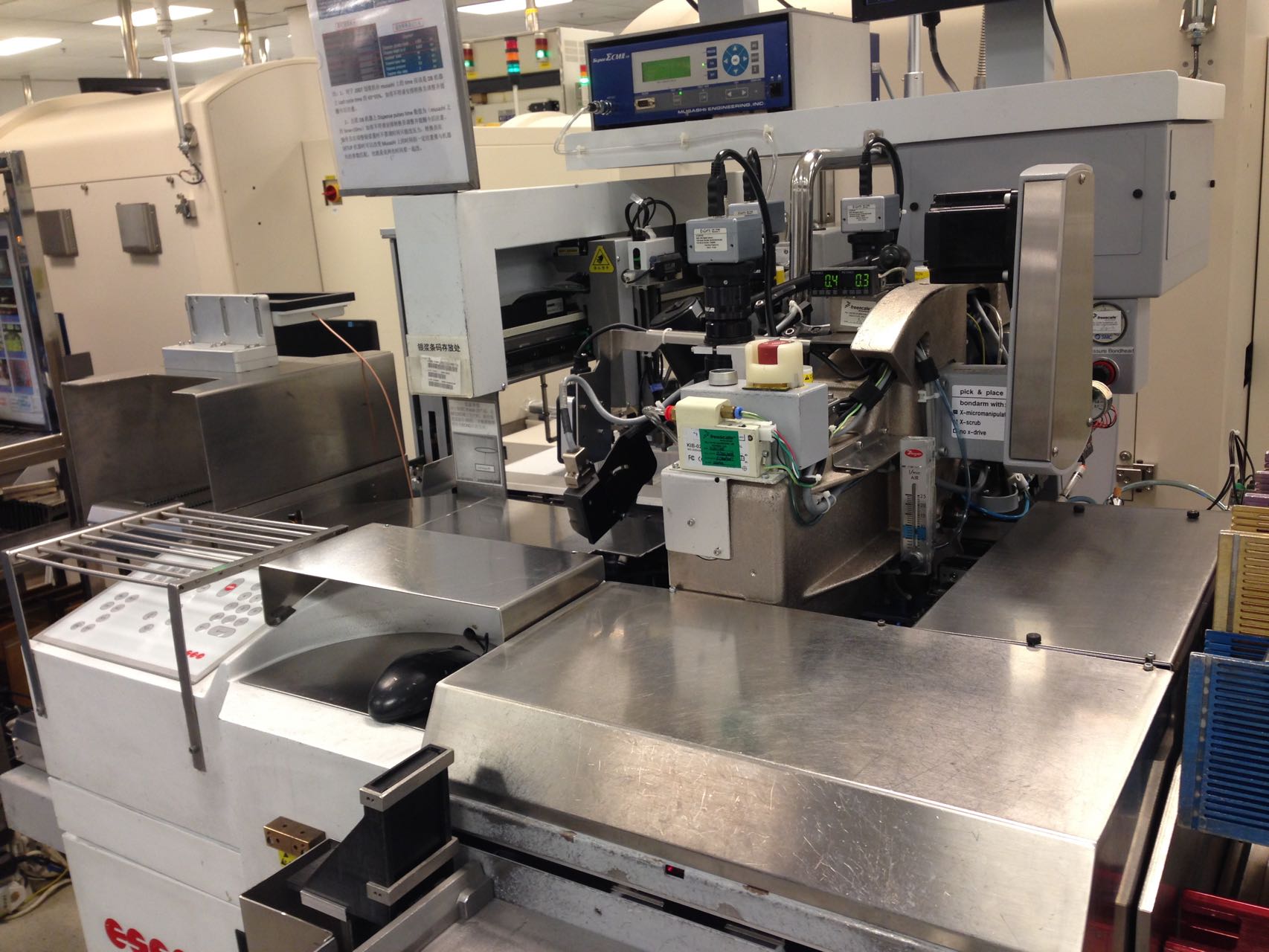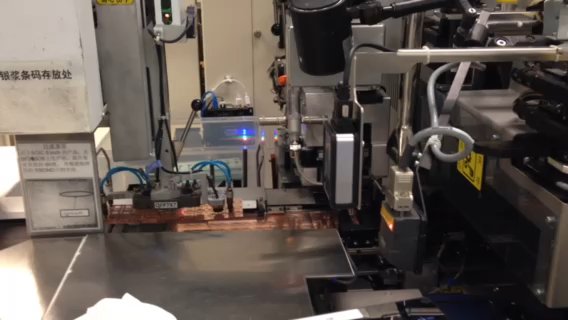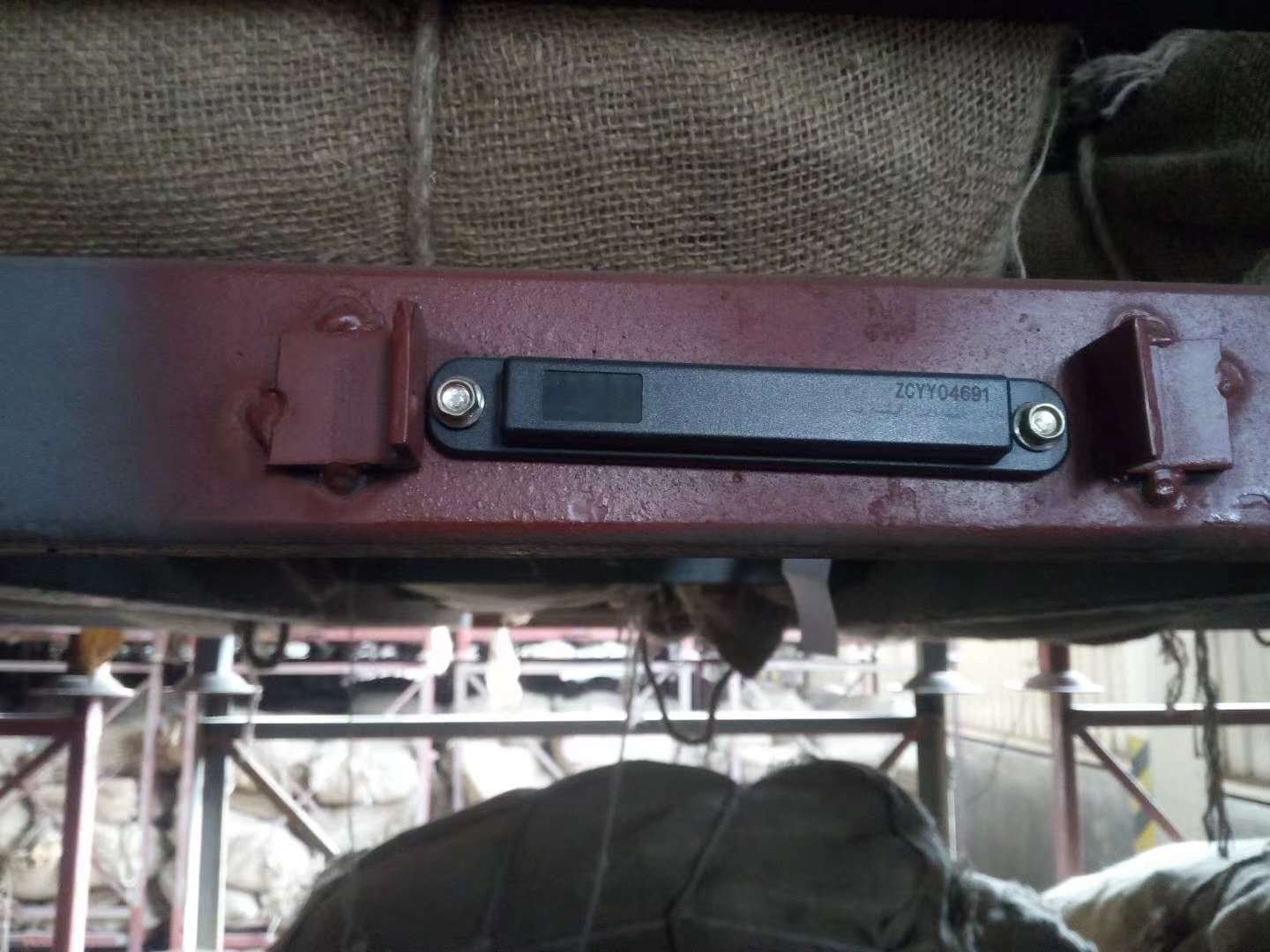
Line-side reading reliability
Moving parts, short dwell time, mixed materials, and interference require careful read-zone and antenna design.
Industrial Manufacturing
An engineering-proven area for production-line traceability, custom RFID hardware, embedded devices, industrial readers, antennas, and tags used in manufacturing and harsh operating environments. More industrial reader and tag manuals will be added as the documentation library expands.

Industrial manufacturing should feel like engineered data capture, not a generic hardware catalog.
Operational Reality
Production environments introduce motion, metal, shielding, heat, vibration, operator rhythm, and system integration constraints. The site should present industrial manufacturing as an engineering workflow rather than a generic reader-and-tag catalog.
Challenges
Moving parts, short dwell time, mixed materials, and interference require careful read-zone and antenna design.
Industrial RFID devices may need rugged housings, stable power, heat tolerance, vibration resistance, and serviceable installation plans.
Future tag manuals should drive selection by metal, plastic, heat, surface, mounting method, and required lifecycle.
RFID events must align with production order, work-in-process, quality, warehouse, and asset-management systems.
Buying Signals
These signals help buyers, integrators, and operating teams decide whether the page matches a real project instead of a general technology interest.
Signal
Manufacturing projects become strong candidates when barcode or manual entry fails because of movement, shielding, contamination, orientation, or operator rhythm.
Signal
RFID should be considered when traceability must be captured during production, inspection, transfer, or packaging instead of after-the-fact reconciliation.
Signal
Production-line success may require embedded readers, custom antennas, protocol handling, fixtures, or machine-side integration rather than a catalog-only answer.
Signal
The real deliverable is a trusted production event that can update work orders, quality records, WIP status, or asset-management systems.
System Method
For B2B RFID projects, the right answer is rarely a single model number. REAOX structures each solution as a stack: capture the item reliably, convert the signal into a clean event, then make that event useful to the operating team.
Tags, readers, antennas, terminals
Start with the physical reality: material, distance, movement, shielding, operators, and where a reliable read event can actually happen.
Open device layerFiltering, device abstraction, APIs
Turn raw reader signals into usable workflow events, then connect them to ERP, POS, WMS, MES, LIS, or a custom business system.
Open middleware layerScreens, exceptions, reports
Give teams the business workflow they need: search, verify, transfer, inspect, reconcile, report, or escalate exceptions.
Open application layerHardware & Platform
Future reader materials will cover production-line, fixed-zone, and rugged industrial data-capture scenarios.
Modules can support custom machines, inspection equipment, cabinets, and OEM integration where enclosure and I/O are project-defined.
Upcoming tag manuals should determine fit by material, temperature, mounting method, read distance, and environment.
Project Path
This is the practical path for buyers who need confidence before committing budget, operational change, or system integration resources.
Confirm the business result, physical scene, existing systems, and the buyer's risk boundary.
Validate tags, read zones, operators, software events, and the first meaningful operating report.
Connect the RFID event layer to the customer's system of record and define exception workflows.
Standardize product selection, installation rules, training, support, and rollout documentation.
Recommended Product Path
These links are not a final bill of materials. They help buyers move from the solution story into concrete models, specifications, images, and comparable alternatives.
Fixed reading
A current fixed-reader reference for multi-antenna reading zones, equipment gates, cabinets, and industrial checkpoints.
Embedded module
A module reference for custom RFID equipment, OEM devices, and machine-integrated reading workflows.
Mobile operation
Mobile UHF reading for inspection, exception handling, asset search, and line-side verification.
Tags
Tag recommendations should wait for future manuals that specify materials, temperature, mounting, and suitable environments.
Proof Point
Years ago, REAOX helped what is now NXP's Tianjin factory implement wafer and integrated-circuit chip production-line traceability through custom RFID hardware devices and protocols. REAOX has also supported other industrial enterprises with RFID solution work. The public page should reflect this engineering history while still tying future claims to specific industrial reader, tag, and solution materials as they are added.
Next Step
The fastest way to qualify a project is to share the operating scene, assets, current software, and where the data breaks today. REAOX can then recommend tags, devices, middleware scope, and pilot boundaries.
Include
Part, wafer, tool, carrier, work-in-process unit, fixture, package, or asset to be identified.
Include
Read distance, dwell time, material, shielding, motion, mounting constraints, and available power or I/O.
Include
MES, ERP, quality, WIP, equipment, or traceability record that should be updated by the RFID event.
Include
Line segment, station count, sample size, success metric, and whether custom hardware or protocol work is acceptable.
Questions & Answers
Not yet. The public product materials are still expanding, especially for industrial-grade readers, harsh-environment devices, and cross-scenario tags.
Yes, at the workflow and engineering scoping level. Final product bundles should be confirmed after the specific reader, tag, antenna, and software materials are available.