REAOX
Menu

Oil & Gas Industry

Asset Lifecycle Visibility for the Wells, the Tubulars, and the Yards Between Them

REAOX moved into petroleum, petrochemical, and energy asset-management scenarios around 2019: anti-metal RFID tags, drill-pipe and production-tube tag concepts, wellhead RFID antennas, hazardous-zone terminals, and engineering depth for environments off-the-shelf tags cannot survive.

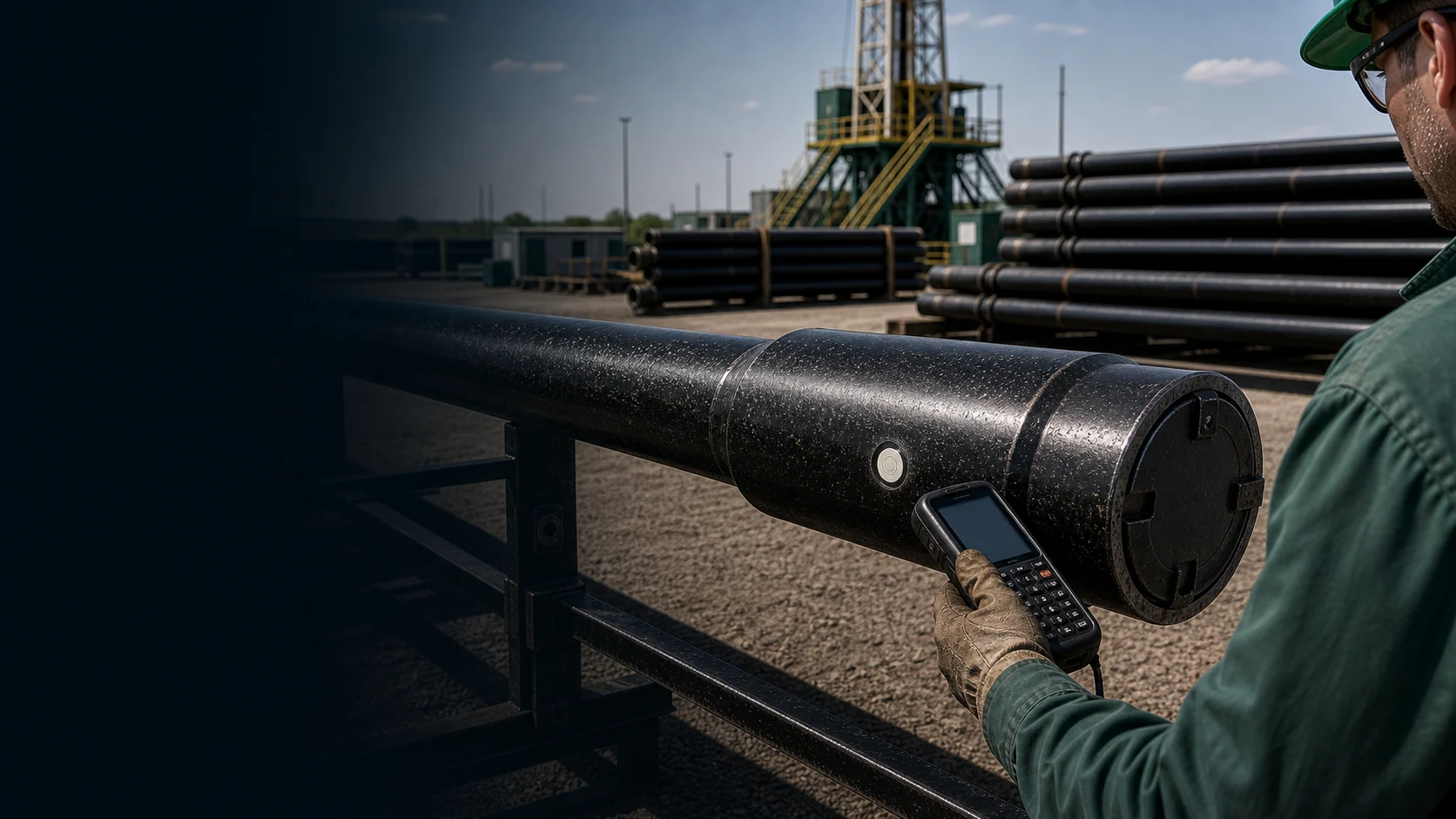
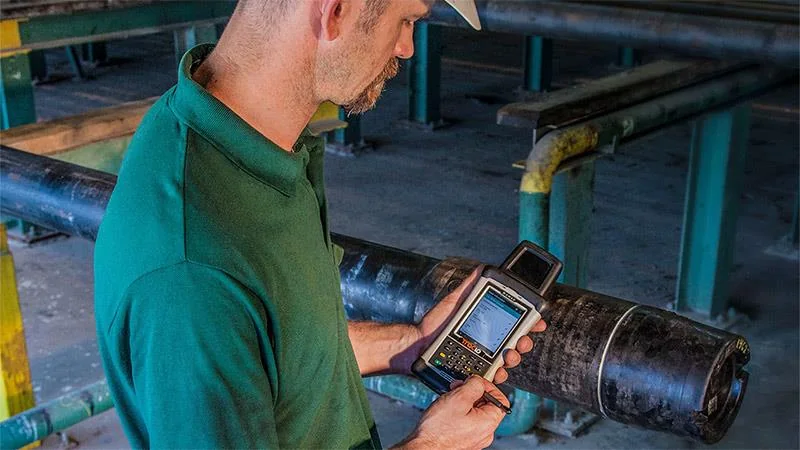
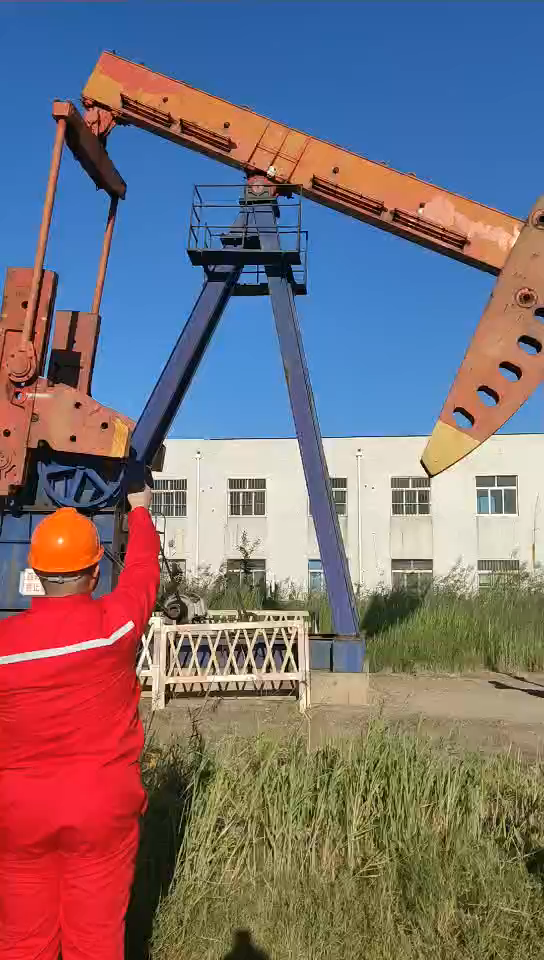
Oil and gas industrial asset environment with RFID lifecycle tracking

Position oil and gas around durable identity, inspection accountability, and long asset lifecycle visibility.

Since 2019
Energy RFID Track Record
-40 deg C to +200 deg C
Tag Operating Range
GB/T 3836
Explosion-Proof Standard
Patented
Sealed Nameplate Design

Operational Reality

Why Standard RFID Fails in Oil & Gas

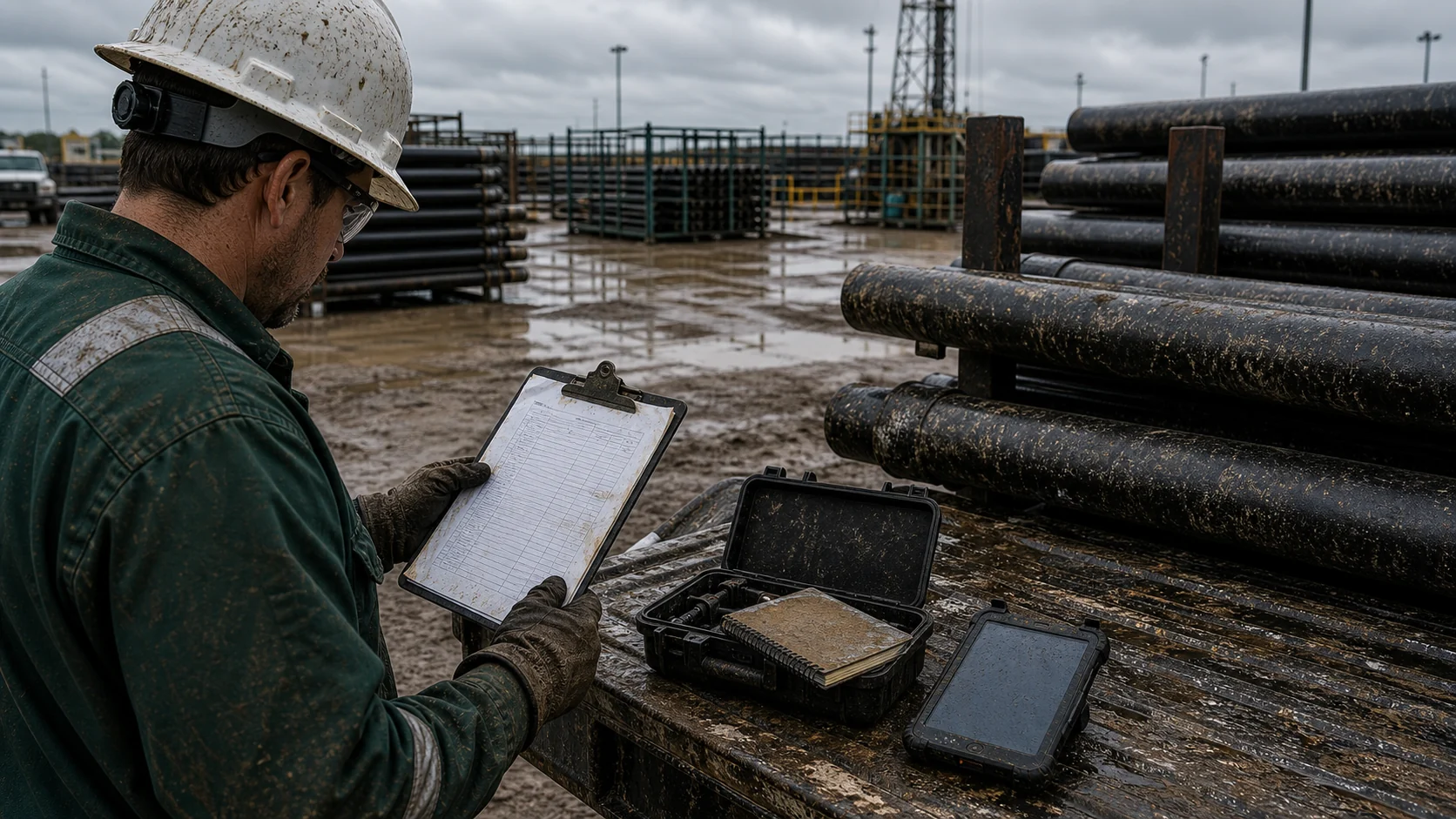
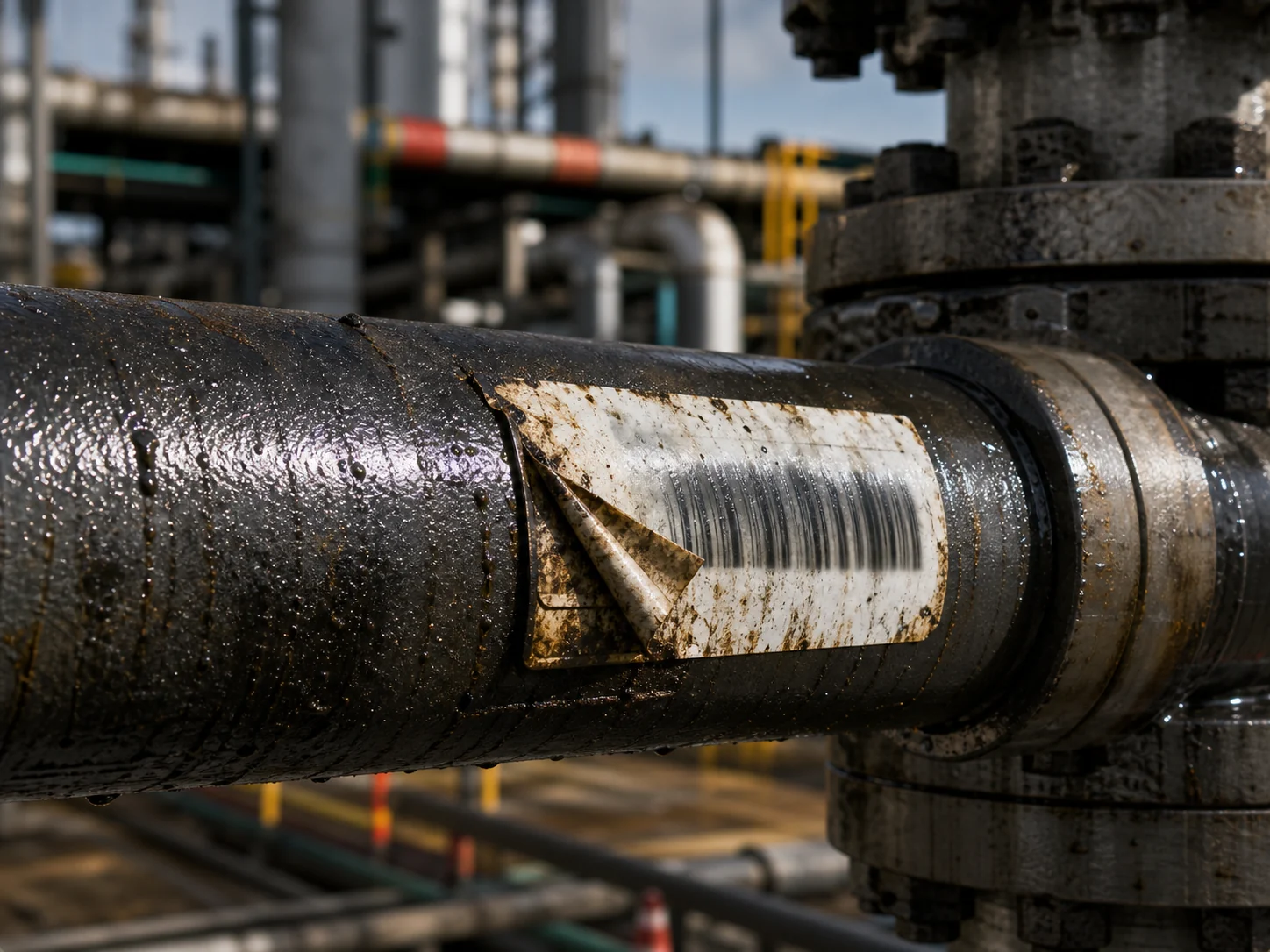
Steel-on-steel proximity, high temperatures, vibration, impact, hazardous atmospheres, and long asset lifecycles combine into one of the harshest RFID environments. REAOX approaches this as an engineering problem, not a labeling problem.

Challenges

What REAOX Is Built To Handle

Steel-on-steel proximity

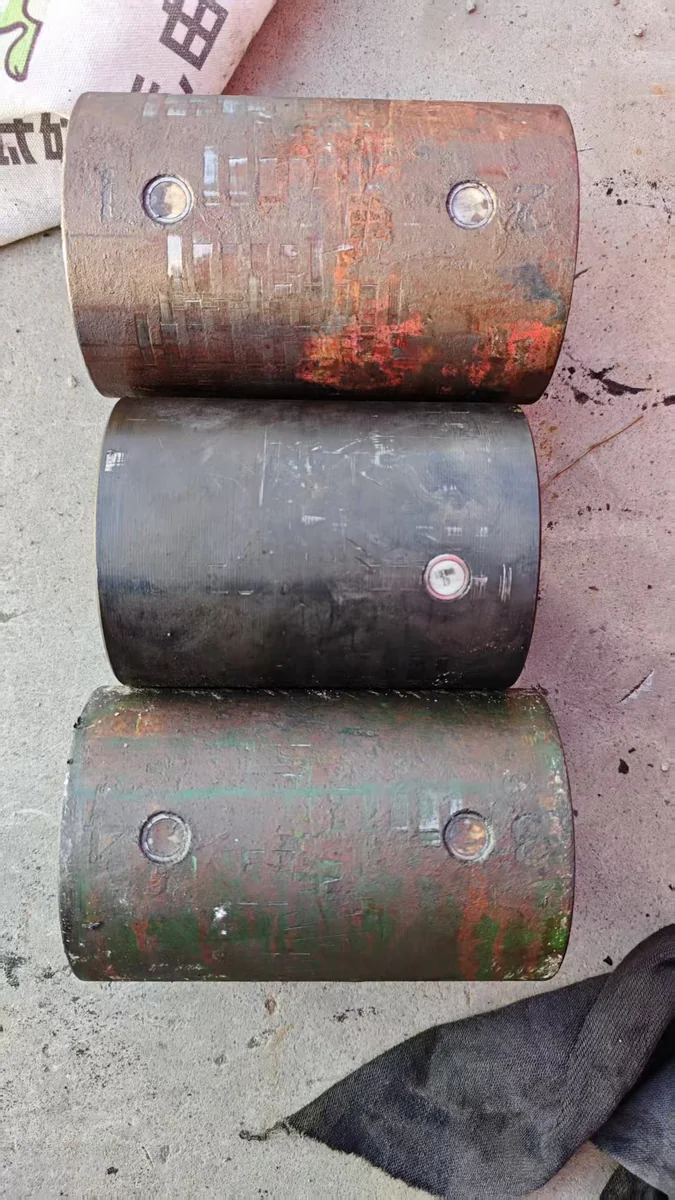
OCTG tubulars and field instrumentation place tags directly against conductive surfaces that detune ordinary inlays.

Hazardous atmospheres

Explosion-proof terminals must be specified carefully. Current certification is China GB/T 3836; ATEX and UL/CSA Class I Div 2 are in active progress.

Heat, vibration, impact

High-temperature ceramic tags and sealed nameplates are designed for assets that move through inspection, transport, deployment, and refurbishment.

Lifecycle accountability

The value is not a one-time read. It is a reliable identity record across maintenance, intervention, re-certification, and retirement.

Buying Signals

When this solution becomes worth a serious conversation

These signals help buyers, integrators, and operating teams decide whether the page matches a real project instead of a general technology interest.

Signal

Assets survive harsh cycles

The project is worth discussing when tags must remain readable through heat, vibration, impact, metal contact, outdoor yards, or long inspection cycles.

Signal

Manual records break traceability

If maintenance, dispatch, or return records are still rebuilt from spreadsheets and operator memory, RFID should be evaluated as an accountable identity layer.

Signal

Read zones need engineering

Oilfield assets rarely fit standard label assumptions. Reader, antenna, tag, and enclosure choices should be validated against the physical workflow.

Signal

Certification scope is explicit

Hazardous-zone work should start by confirming the required certification path, region, and operating boundary before product selection.

Hardware & Platform

Relevant Products and Engineering Capabilities

RX-1Ex3010 Industrial Terminal

Android-based explosion-proof terminal for hazardous-zone asset tracking, with China GB/T 3836 certification and international certifications in progress.

High-Temperature Ceramic Tags

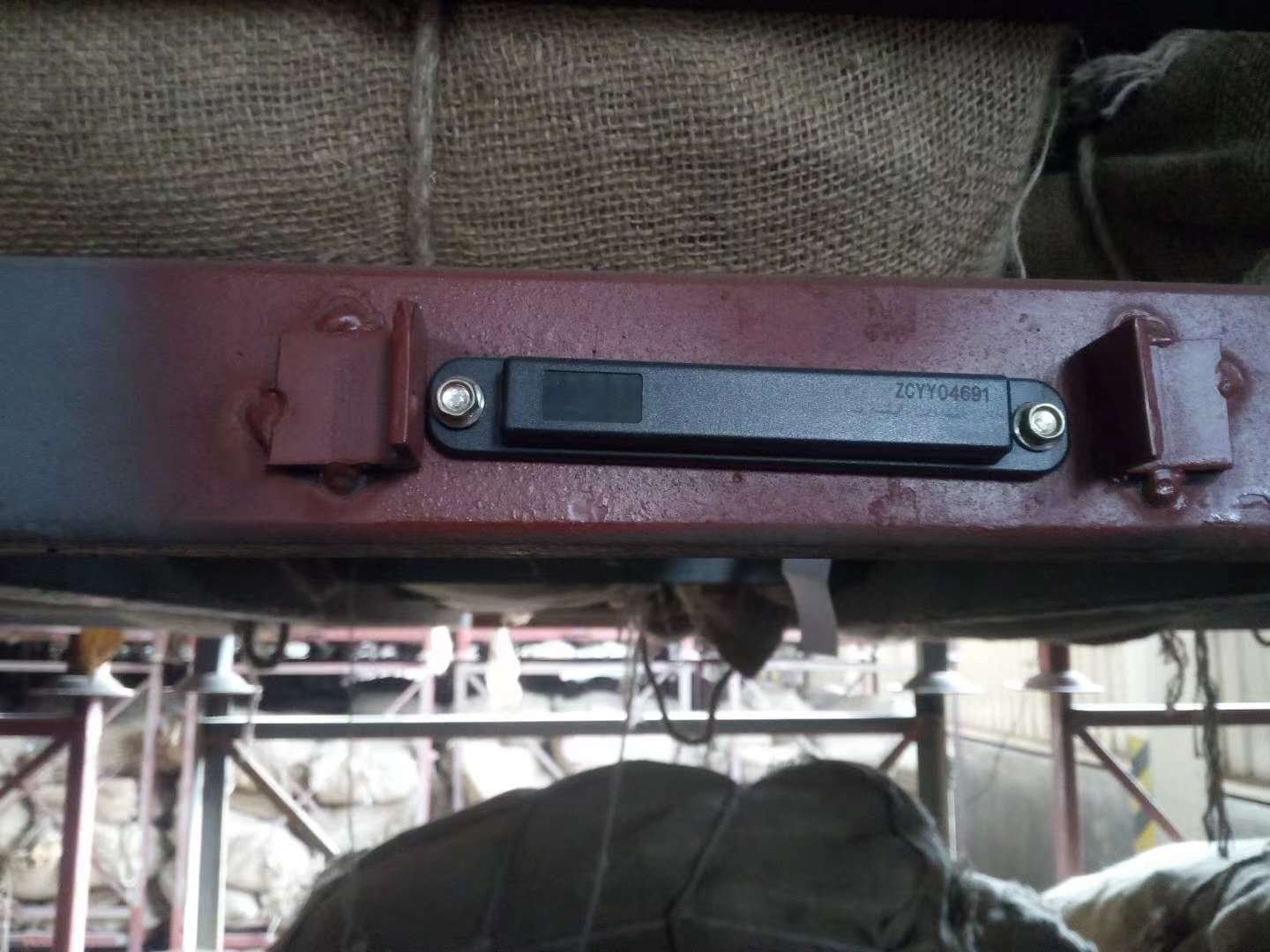
Industrial RFID tags rated for -40 deg C to +200 deg C, suitable for high-temperature asset identification.

Industrial Sealed Nameplates

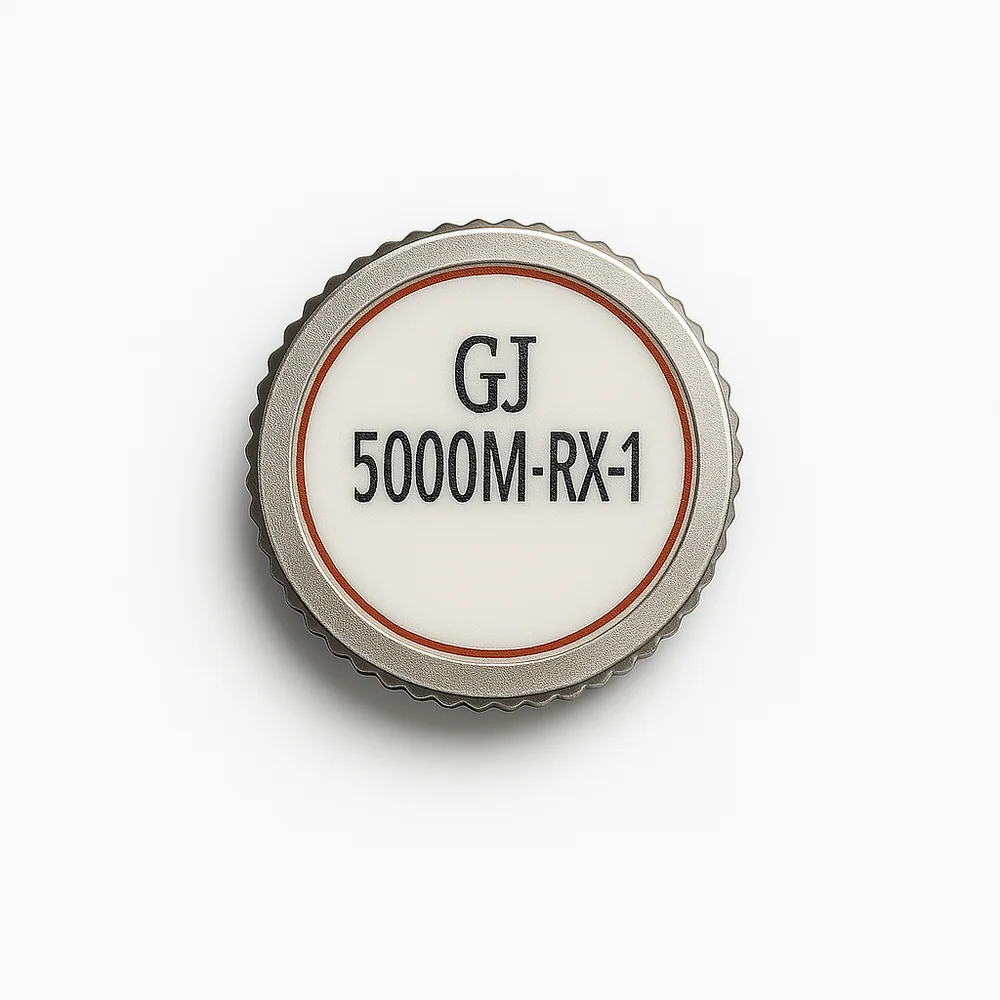
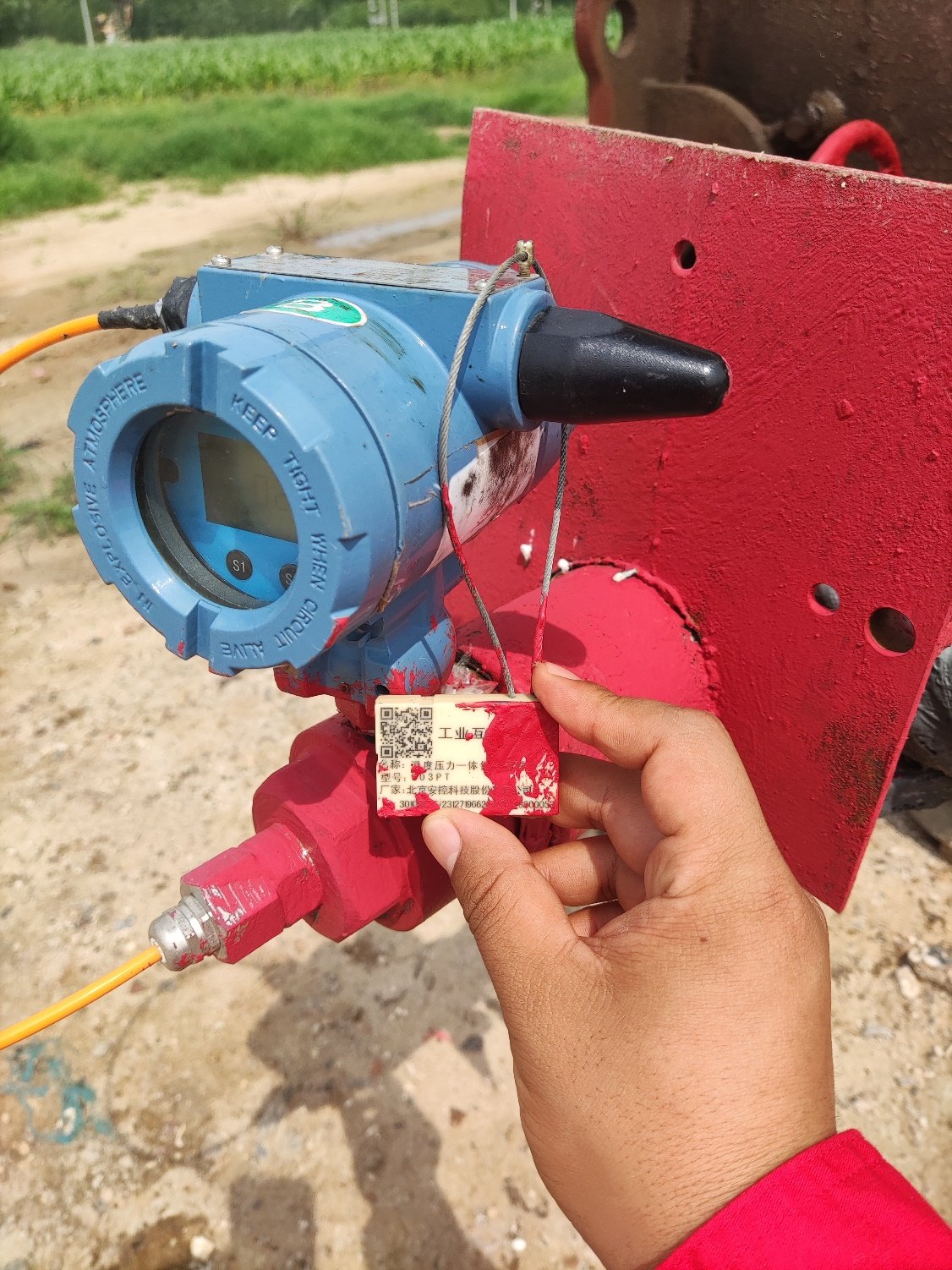
Patented sealed RFID nameplate approach for oil-field instrumentation and long-lifecycle equipment.

Project Path

Reduce adoption risk before scaling the rollout

This is the practical path for buyers who need confidence before committing budget, operational change, or system integration resources.

1. Scope

Confirm the business result, physical scene, existing systems, and the buyer's risk boundary.

2. Pilot

Validate tags, read zones, operators, software events, and the first meaningful operating report.

3. Integrate

Connect the RFID event layer to the customer's system of record and define exception workflows.

4. Scale

Standardize product selection, installation rules, training, support, and rollout documentation.

Proof Point

Energy Asset Deployment Since 2019 - Sinopec Shengli Oilfield

Sinopec Shengli Oilfield is the named public oil & gas reference for REAOX: patented industrial-grade sealed RFID nameplates deployed for instrumentation tracking and management. Additional oil & gas references are handled through qualified-request conversations rather than public claims.

Next Step

Send the workflow, not just the model list.

The fastest way to qualify a project is to share the operating scene, assets, current software, and where the data breaks today. REAOX can then recommend tags, devices, middleware scope, and pilot boundaries.

Include

Asset and environment

Asset type, material, temperature range, outdoor exposure, vibration, impact, and whether the area has hazardous-zone requirements.

Include

Lifecycle workflow

Where the asset is registered, inspected, transferred, maintained, repaired, and retired.

Include

Read-zone expectation

Whether reading happens at a yard gate, workstation, mobile inspection route, vehicle, wellhead, or storage area.

Include

Certification boundary

Region, required safety standard, existing site rules, and whether China GB/T, ATEX, UL, or CSA review is required.

Questions & Answers

Frequently Asked Questions

Are REAOX explosion-proof terminals certified for North America?+

Not yet. Current certification is China GB/T 3836. ATEX for Europe and UL/CSA Class I Div 2 for North America are in active progress for international markets.

Can REAOX integrate with existing maintenance systems?+

Yes. Integration is handled through project-specific software and the vendor-neutral middleware architecture currently in active development.